Beta-alanine is best known for the tingling it can cause at larger doses. This guide covers what it is, what it does in the body, the amounts studied, when tingling starts, and what the NIH Office of Dietary Supplements says about it.

Editorial disclosure: memohoneyguide.com is an independent guide and is not the manufacturer, distributor or seller of MemoHoney. It contains affiliate links, and we may earn a commission if you purchase through them, at no extra cost to you. These statements have not been evaluated by the Food and Drug Administration. MemoHoney is not intended to diagnose, treat, cure, or prevent any disease. Consult a healthcare professional before use.
Beta-alanine is an amino acid, but unlike most amino acids the body does not use it to build proteins. The NIH Office of Dietary Supplements (ODS) describes it as the rate-limiting precursor of carnosine, which means beta-alanine is the building block that sets how much carnosine the body can make.
Beta-alanine is produced in the liver, according to ODS.
Relatively small amounts are found in animal foods such as meat, poultry and fish.
It is the rate-limiting precursor to the synthesis of carnosine, as ODS puts it.
NIH ODS: beta-alanine, in the exercise and athletic performance fact sheet
| Source | Beta-alanine |
|---|---|
| Review cited by ODS | 1.6 to 6.4 g a day, in two to four servings, over 4 to 8 weeks |
| Single dose ODS links to tingling | 800 mg or more (or more than 10 mg per kg of body weight) |
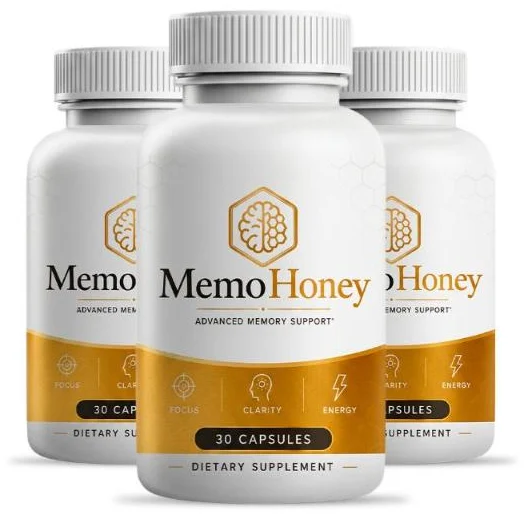
| MemoHoney label, one capsule | 40 mg |
The research amounts are in grams. A capsule that lists beta-alanine among several ingredients usually holds far less, and the label is the only place to see how much.
The effect most often linked to beta-alanine is a tingling of the skin, called paresthesia. ODS ties it to a single dose of at least 800 mg, or more than 10 mg per kg of body weight. It says the tingling is not a painful, serious or harmful reaction, and that some people also notice itchy skin. The review ODS cites describes the daily amounts split into two to four servings.
ODS says beta-alanine appears to be safe at 1.6 to 6.4 g a day for up to eight weeks. It also says there is not enough expert agreement on the value of taking it, and the research it reviews looks at exercise and athletic performance. MemoHoney lists 40 mg of beta-alanine alongside arginine, citrulline, niacin and calcium. The full label is on the MemoHoney ingredients page.
An amino acid that the body does not use to build proteins. It is the rate-limiting precursor of carnosine, is produced in the liver, and is found in small amounts in meat, poultry and fish.
ODS links the tingling, called paresthesia, to single doses of at least 800 mg, or more than 10 mg per kg of body weight. It says the reaction is not painful, serious or harmful.
A review cited by ODS describes 1.6 to 6.4 g a day, taken in two to four servings over four to eight weeks.
ODS says it appears to be safe at 1.6 to 6.4 g a day for up to eight weeks. Talk with your doctor before starting any supplement, especially alongside medicines.
No. Alanine is used by the body to build proteins; beta-alanine is not, and its main role is as the building block of carnosine.
40 mg per capsule, as printed on the label. See the MemoHoney ingredients page.
Each MemoHoney bottle holds 30 capsules, a month at one a day. Orders of 3 or 6 bottles ship free, and every order from the official page carries a 60-day money-back guarantee. The MemoHoney buying guide walks through the order and the refund steps.
Visit the Official MemoHoney PageThis site uses Google Analytics cookies to count visits. See the privacy policy.